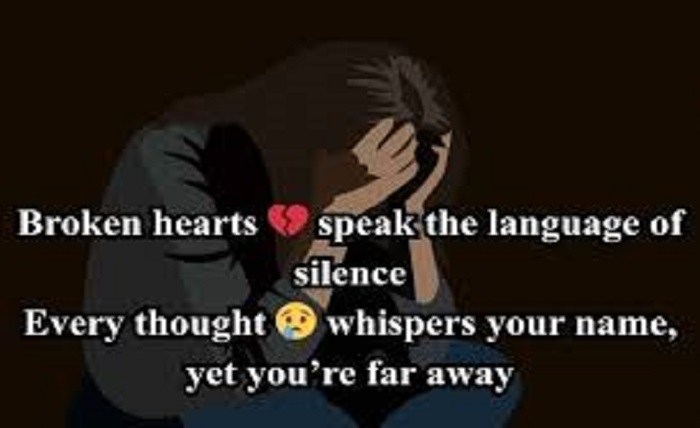
Loss has its own language. It is short. It repeats. It circles the same point from different angles. Sad shayari uses this language with precision. Gambling uses it through action.
Both deal with uncertainty. Both depend on hope. Both end, often, in regret. The forms differ. One is text. The other is behavior. Yet the structure is the same.
A line of shayari may say, “I waited, and the night gave nothing back.” A gambler may place one more bet, expecting a turn. In both cases, the person stands at the same edge. Something might change. It usually does not.
This is not coincidence. Both systems rely on a simple pattern. First, a possibility appears. Then, a choice follows. After that, an outcome arrives. The outcome rarely matches the hope. The cycle resets.
Sad shayari captures this cycle in words. It compresses long experience into a few lines. Gambling stretches the same cycle across repeated actions. Each round feels like a new chance, but the pattern stays.
The power of both lies in recognition. Readers see themselves in the lines. Players see themselves in the outcomes. The language feels familiar because the structure repeats.
Three elements define this shared language:
- Chances create the opening
- Hope drives the action
- Regret closes the loop
This article examines how these elements appear in both forms. It shows how shayari expresses them with clarity, and how gambling systems reinforce them through repetition. The goal is not comparison for its own sake. It is to understand why the same emotional pattern returns in such different spaces.
Next, we examine how “chance” functions as the starting point in both shayari and gambling behavior.
Chance As The Opening Move
Every cycle starts with a small opening. Not a guarantee. A chance.
In sad shayari, this moment appears as a thought. A message not yet sent. A door not fully closed. The speaker stands still, but the mind moves. “Maybe this time,” the line suggests. The chance is thin, but it is enough to begin.
In gambling, the same moment takes a physical form. A button. A stake. A live score changing in real time. The user sees movement and reads it as opportunity. A match shifts. Odds adjust. The system presents a new entry point.
This is where attention locks in. A person does not need certainty. They need a gap where something could change. That gap creates tension. Tension creates action.
Live environments make this stronger. When outcomes evolve second by second, the sense of chance grows sharper. A platform showing desi cricket live updates, for example, does not just present information. It creates a stream of small openings. Each update suggests a new possibility. Each possibility invites a decision.
Shayari captures this in still form. It freezes the moment before action. A line may describe waiting, watching, or expecting. The reader fills in the outcome. The chance remains open.
Gambling removes that pause. It turns the same moment into a sequence. Chance appears, action follows, result arrives. Then the next chance replaces the last one.
The structure stays the same:
- A signal appears
- The mind reads it as possibility
- The body prepares to act
This is the simplest part of the cycle, yet the most important. Without chance, nothing starts. No line, no bet, no decision.
Chance does not promise anything. It only suggests that something might happen. That suggestion is enough.
Next, we examine how hope transforms chance into action, and why it holds the cycle together.
How Hope Converts Chance Into Action
Chance opens the door. Hope pushes the hand forward.
In sad shayari, hope is quiet but persistent. It sits between lines. A person knows the pattern. They have seen the ending before. Yet they still wait. Still write. Still imagine a different outcome. Hope does not need proof. It only needs space.
In gambling, hope becomes visible. It appears in rising odds, near wins, and shifting scores. A user watches a line move and reads it as momentum. The system feeds this feeling with constant updates. Each change suggests progress, even when nothing has improved.
Hope works because it simplifies risk. It narrows focus to a single outcome: the one that could work. The mind stops comparing full scenarios. It locks onto the best case.
This creates a physical response. The body leans in. The finger moves faster. The pause disappears. Action feels justified, even when the logic is thin.
Shayari expresses this through repetition. The same idea returns in new words. Waiting becomes a habit. The speaker circles the same point, each time with a small shift in tone. Hope keeps the cycle alive.
Gambling systems compress this pattern. They shorten the gap between attempts. A near miss suggests closeness. A small win suggests progress. The user reads both as signs to continue.
The key effect is forward motion. Hope removes friction. It replaces doubt with direction. A person does not ask, “Should I act?” They ask, “What if this works?”
This shift is subtle but strong. It changes hesitation into momentum.
Hope does not guarantee a result. It guarantees continuation.
Next, we examine how regret closes the loop and resets the cycle for repetition.
How Regret Closes The Loop And Triggers Repetition
Every cycle ends with a result. Most often, it is not the one hoped for. This creates regret.
In sad shayari, regret appears as a quiet return. The speaker looks back. They replay a moment. A word not said. A step not taken. The tone is controlled, but the weight is clear. The line does not shout. It lingers.
In gambling, regret arrives faster. A result flashes. A number settles. The outcome is clear and immediate. There is no space to soften it. The system shows the result, then moves on.
This speed matters. It shortens reflection. A person feels the loss, but the next chance appears before the feeling settles. Regret begins, but it does not complete.
Both systems use repetition, but in different forms. Shayari repeats through memory. The same moment returns in thought. Each return adds detail. Regret deepens.
Gambling repeats through action. The system replaces the last outcome with a new entry point. Regret turns into another attempt. The cycle restarts before the mind finishes processing the last result.
This creates a loop:
- Outcome falls short
- Regret forms
- New chance appears
The key is timing. If regret had time to settle, it might stop the cycle. But in fast systems, it overlaps with the next opportunity. The two states exist at once.
This overlap weakens closure. A person does not fully exit the moment. They carry it forward into the next action.
Shayari captures the full weight of regret. It slows it down. It lets the reader sit inside it. Gambling compresses it. It keeps the system moving.
Both forms, however, depend on the same point. Regret is not the end. It is a transition.
Next, we conclude by showing how this shared structure—chance, hope, regret—explains why both shayari and gambling feel so familiar and persistent.
A Shared Pattern That Feels Personal
The pattern is simple. Chance opens. Hope moves. Regret closes. Then it repeats.
Sad shayari presents this pattern in still form. It slows time. It lets each stage expand. The reader feels the weight of waiting, the pull of hope, and the quiet of regret. The cycle becomes clear.
Gambling compresses the same structure. It removes the pause. Each stage follows the next without space. The user moves through the cycle in seconds, not thoughts.
Despite this difference, the experience feels similar. Both rely on recognition. A person sees the pattern and connects it to their own memory. That connection makes the experience feel personal, even when the structure is shared.
The strength of this pattern lies in its stability. It does not depend on context. It works in words. It works in actions. It returns because it matches how people process uncertainty.
Understanding this structure does not break it. It makes it visible. Once visible, the repetition stops feeling random. It becomes predictable.
Sad shayari gives the pattern a voice. Gambling gives it movement. Both speak the same language.