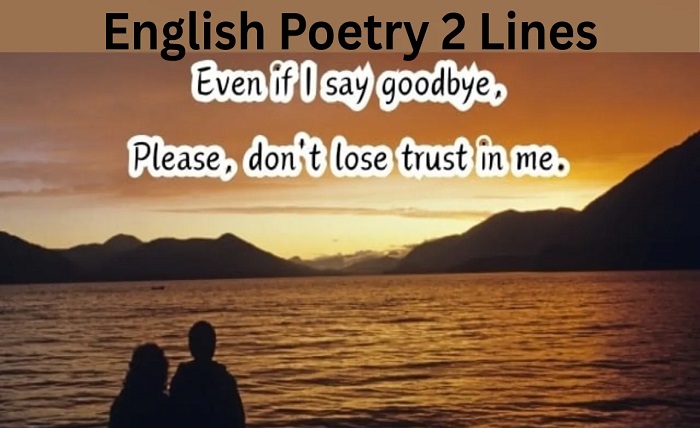
Short formats have become part of everyday attention. A person may read two-line shayari before sleep, watch a short video while waiting for tea, save a quick status for WhatsApp, or open a mobile game during a small break. These moments do not ask for much time, yet they can create a strong feeling quickly. A short emotional post can hold attention through one powerful line, while an aviator website can show how fast online entertainment uses timing, suspense, and instant feedback to create a brief but intense experience. The appeal comes from focus. Short formats remove extra detail and leave only the emotion, action, or moment that matters.
Short Formats Match Modern Attention
There are numerous small breaks in a day’s activity. The bus will arrive in 5 minutes! The meeting will start shortly. Sent message: waiting for a response. These are not moments that are long enough to be completely entertaining, but moments can be captured in the moment of emotion or a digital moment.
This is where short formats fit well. Two-line shayari gives a feeling without a long story. A reel creates a reaction before attention fades. A short game round gives movement, choice, and result in a compact frame. The format respects the limited time available.
The mobile screen also changed how people consume content. People scroll, tap, save, replay, and move on. Long focus still exists, but quick formats suit the rhythm of phones. They are easy to open, easy to share, and easy to return to later.
The real strength of a short format is not speed alone. It is the ability to deliver something complete in a small space. A good couplet feels finished. A short game round feels closed. A brief post can say enough without asking the reader to stay too long.
Emotion Works Faster When It Is Focused
Shayari has always understood emotional compression. A few words can carry heartbreak, pride, longing, disappointment, or quiet strength. The writer does not need to explain every detail. The reader brings personal memory into the empty space.
Fast digital entertainment works in a different form, but the structure is familiar. It creates a setup, builds expectation, and gives a result quickly. A short round, a visual cue, a sound effect, or a sudden change can create an immediate response.
Naturally, focused formats are sturdy since they do not waste notice. Very little space for padding. All words, colours, sounds, pauses, actions must reinforce the experience. If the design is clean, the user gets the idea of the mood within an instant.
This is why the short shayari line remains in memory for years. Does not describe pain in detail. It provides one clear emotional picture to the reader. It also has a short digital version. It can seem bigger than the experience.
Suspense Makes Small Moments Feel Bigger
Suspense is one of the main reasons people stay with short formats. It creates a question inside the mind. What will the final line say? What will happen after the transition? What result will appear after the round?
In shayari, suspense often lives between the first and second line. The first line opens a feeling. The second line changes it, sharpens it, or gives it a new meaning. That small turn can create the whole emotional effect.
Short suspense works because it does not test patience for too long. It asks for attention, then pays it off quickly. The audience feels rewarded without committing to a long experience.
Common short-format hooks include
- An unfinished thought that needs a final line.
- A visual change that promises a reveal.
- A quick decision followed by instant feedback.
- A repeated rhythm that builds expectation.
- An emotional setup that turns in the final moment.
These hooks make small formats feel active. The user is not passively receiving content. The mind is waiting, guessing, and reacting.
Repetition Turns Moments Into Habits
Short formats are easy to repeat. That is part of their charm and part of their risk. One more couplet, one more reel, one more status, or one more game round rarely feels like a big decision. The next action is close, simple, and available.
Repeating can be non-hazardous if the user remains vigilant. It can be a natural part of the day to indulge in reading shayari for comfort, watching a short video for a laugh, or playing for a short period of time during a break. The trouble is when the action becomes automatic.
Automatic use removes choice. The phone opens before the person has decided what they want. A short break becomes longer than planned. A small emotional escape becomes a habit used whenever boredom, stress, or silence appears.
Short formats need gentle boundaries because they are built for return. The best habit is to notice the moment before repeating. Is the next click still enjoyable, or is it only automatic? That question can keep the experience healthier.
Short Entertainment Should Leave Space for Real Life
There are little “holes” in daily activities. It takes 5 minutes for a bus to arrive. A meeting is about to begin. Message sent but result not yet received. These spaces are not long enough for an extended entertainment, but long enough to engage in an emotional or digital moment.
The ability to take a break without pressure is the key to healthy use. Refreshing the mind with a short is good if it does its job. The routine needs to be adjusted if it causes urgency, irritability and overspending or wasted time.
This is particularly significant for speedy web based amusement. Short games can be easy, but they must still have rules. The decision on time, attention and money should be made before the experience, not during.
Short formats are loved because they fit human life so well. They match small pauses, quick feelings, and the need for instant connection. Their best version is sharp, emotional, and easy to leave. A good short format should give the day a moment of feeling, not take control of the whole mood.